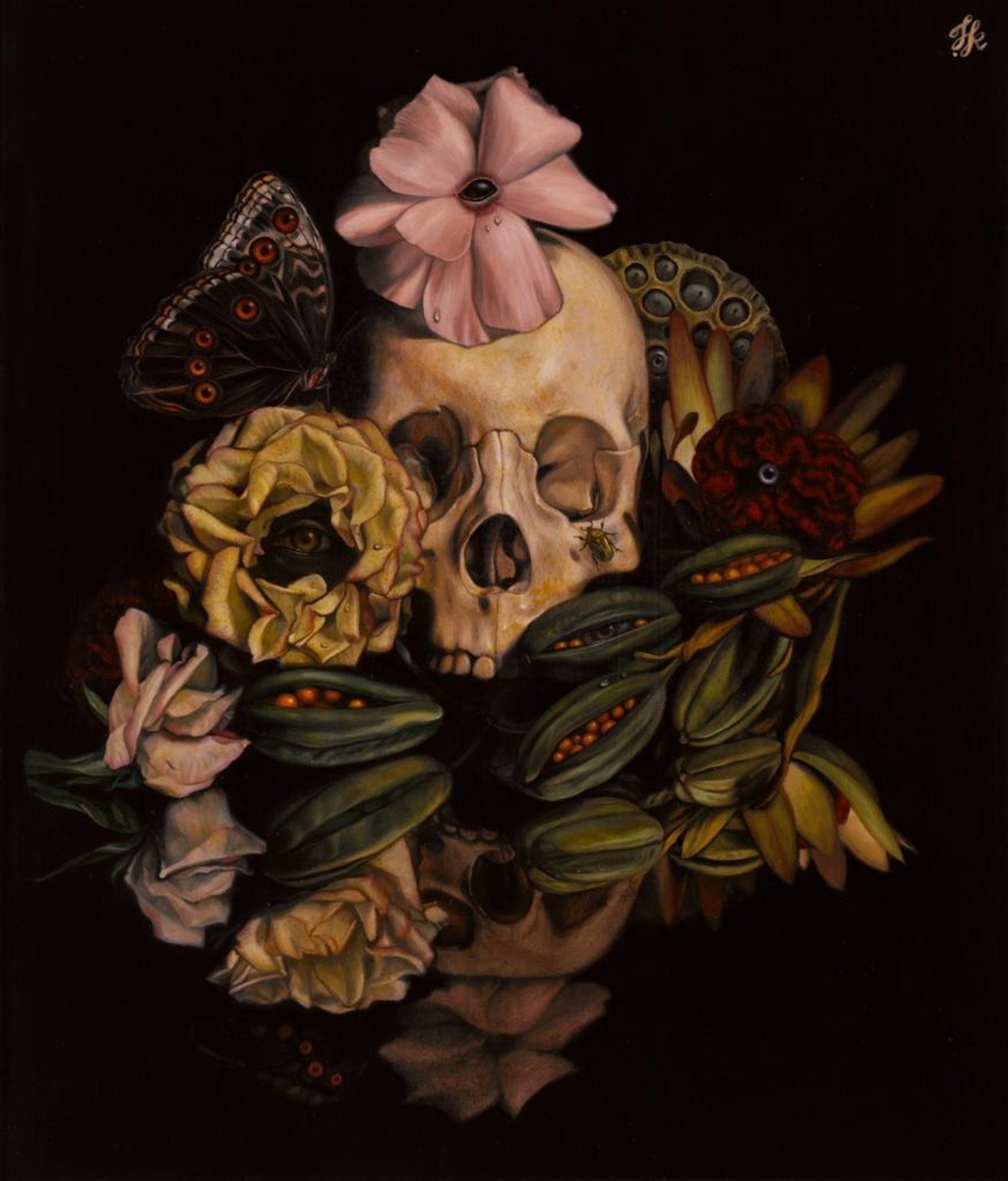
An astrological birth chart, also known as a horoscope, serves as a blueprint of an individual's psyche. It reflects the celestial positions at the moment of a person’s birth, echoing the ancient hermetic law of correspondence: “As above, so below.” However, it merely outlines an individual's potential rather than dictating how they will live their lives. Ultimately, we shape our own destinies and create our own experiences. Astrology doesn't predict fate; instead, it describes the seeds we're born with. How we nurture and cultivate these seeds, and whether they flourish or wither, is our own responsibility—as we are the gardeners of our lives.
French philosopher Voltaire encapsulates this idea succinctly in his work "Le Candide": “Il faut cultiver notre jardin” (We must cultivate our garden). This simple conclusion at the end of Candide’s adventures suggests both literal and symbolic meanings. Literally, it refers to the nurturing activity of gardening, which connects us to nature's mysterious cycle of life and death, while also providing sustenance for humans and animals. Symbolically, it urges us to tend to our inner gardens—our vitality, needs, hopes, talents, as well as our conflicts, fears, blind spots, and limitations—in order to realize our full potential.
The intricate symbolic language of astrology comprises three main components: the ten planets representing different dimensions of experience, the twelve zodiac signs depicting the style in which these experiences are expressed, and the twelve astrological houses indicating the areas of life where they manifest. The planets are linked through geometric angles, known as aspects, which describe the relationships between them, which may be favorable or detrimental.
To illustrate, envision our lives as a grand stage: The ten planets represent the roles in our play, symbolizing various aspects of our psyche. The twelve astrological signs depict the manner in which these characters express themselves. The stage set symbolizes the areas of life where the players unfold their potentials, represented by the twelve astrological houses. The relationships among the characters are described by the aspects.
Astrology serves as a powerful tool for understanding our inner selves. By gaining awareness of our internal dynamics, we can actively participate in crafting our own narratives and shaping our lives in a constructive manner. Thus, we become more conscious creators and architects of our destinies, rather than just being tossed around by events, people, and situations we attract unconsciously. Returning once more to Voltaire's analogy of the cultivating gardener: understanding our "plants" and their specific needs enables us to foster their growth from seed to their highest expression as mature vegetation.
It takes effort, courage, patience, and humility to expand our consciousness. When knowledge matures into wisdom through personal experience, we find ourselves on the path of wholeness. Astrology is a potent means to get to “know thyself, "the ancient advice carved on the portal of the oracle at Delphi.
Contact:
barbara.saskia.astrology@protonmail.com
917-668 6323
© 2025. All rights reserved.